


One Day in Monaco: How to See It All Like a Local
Only one day in Monaco? Discover the must‑see attractions, scenic views, and local highlights in this quick travel guide.
This post may contain affiliate links. If you click on a link and make a purchase I may earn a commission at no additional cost to you. Learn more.
The Prince’s Car Museum of Monaco was never at the top of our lists, mainly because we assumed for years that it was up near the palace.
It turns out, it moved down near the port years ago and has become a modern museum full of automobile history but also film F1 and royal history.
My dad and I were both truly impressed from the moment we rushed in after our tour of the Prince’s Palace of Monaco (equally impressive, but we didn’t time it well).
If you get the chance to visit the Monaco car museum, I really hope you take advantage of it and find it just as fascinating as we did!
Skip Ahead
Finding the collection is quite easy since it is located right on Port Hercule. You’ll find it directly across from the Automobile Club de Monaco and very close to the famous Grand Prix route.
Because the museum is right in the harbor area, it is the perfect spot to include as part of a scenic walk along the waterfront before or after visiting.
There are some amazing yachts you can spot year-round in the marina.
If you are staying in the Monte Carlo area, the walk down to the port is a fairly pleasant downhill stroll.
Though when you are ready to head back, I highly suggest using the public lifts and city elevators.
Monaco is very hilly, so these lifts are a lifesaver for avoiding the steep climb back up. You can also take a local bus to the port and then enjoy a quick walk to the entrance.
For those of you planning to do the double tour with the Palace, the walk from the Palace down to the port is actually very manageable. My dad and i did it in under 30 minutes (we did get briefly lost). It’s a great way to see more of the city as you move from the historic heights down to the water.
If you prefer not to walk, it’s really important that you download the official Monaco taxi app. It’s the most reliable way to book a ride within the Principality, and the only app that works.
And if you decide to drive yourself, keep in mind that parking right at the harbor is very limited. Your best bet is to look for one of the nearby public parking garages to keep things simple.
When you are planning your day, keep in mind that the museum operates on seasonal hours. From the start of January through the end of June, it is open from 10:00 to 18:00.
During the peak summer months of July and August, they stay open a little later until 19:00. Then, from September through December, the schedule returns to the 10:00 to 18:00 window.
One very important detail to remember is the last entry time. They stop letting visitors in exactly one hour before the doors close. For most of the year, that means you need to be inside by 17:00.
I would actually suggest arriving at least an hour before that final cutoff so you can really enjoy the collection without feeling like you are in a race.
If you decide to go with the double ticket for both the Palace and the car collection, definitely make sure to time your transition well. We actually timed ours a bit too tightly because we thought the museum was much closer to the palace than it actually is.
We ended up having to rush a bit to make it before the last entry, which wasn’t ideal. It is a lovely walk between the two, but it does take some time, especially in the summer heat, so give yourself a good buffer!
It’s also a smart move to check the official website right before you go. Monaco is famous for its major events, especially around Port Hercule, and things like the Grand Prix can really change traffic patterns and access to the harbor area.
When it comes to tickets, the prices are actually quite reasonable for Monaco.
Usually, a standard adult ticket is about ten euros, while students and kids between the ages of six and seventeen can get in for around five euros.
If you are a student, definitely remember to pack your ID so you can take advantage of that discount. It is also a good idea to double check the age rules at the counter if you are traveling with family, as every attraction seems to define a child ticket slightly differently.
One thing I highly recommend is looking into the dual ticket option. This is exactly what we did when we visited last September, and it was such a great choice, since it gave us entry to both the car collection and the Prince’s Palace tour for a combined price.
It is a fantastic way to see two of the biggest highlights in the Principality while saving a bit of money compared to buying them separately.
Most people just buy their tickets right at the entrance when they arrive, but if you’re visiting during the busy summer months or around one of the big motorsport weekends, I suggest getting there earlier in the morning.
It also helps you beat the crowds and ensures you aren’t waiting in a long line when you could be inside looking at the cars!
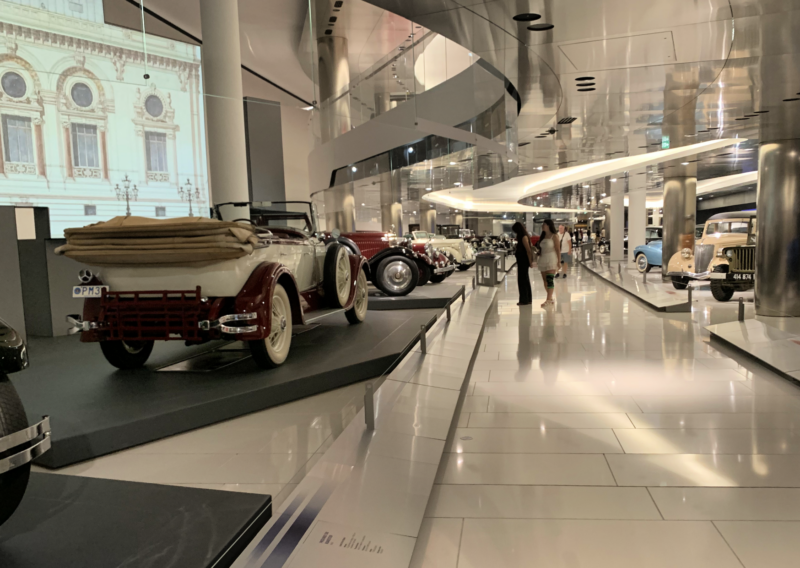
I was honestly so impressed by how modern the whole venue is. It’s a massive 3,500 square meter indoor space right at Port Hercule, and the galleries are all flat and very easy to walk through, so this makes it a great choice if you are visiting with a stroller or if someone in your group uses a wheelchair.
However, I should mention that when we visited in September 2025, the elevator wasn’t working. So it’s worth keeping in mind just in case, though hopefully it is back up and running by the time you get there.
Inside the museum, you will find all the standard facilities you would expect, including clean restrooms and a main ticket desk. The person working the desk was really kind and helpful when we were there.
One of the best parts about the location is that since it is right by the harbor, you are just steps away from plenty of great cafes and services.
It’s very easy to grab a coffee or a bite to eat right after you finish looking at the cars. My dad and i went up to the casino for a cocktail then had dinner at our favorite Italian spot Il Terrazino.
If you are trying to get to the museum from the Terrasses de Fontvieille area, I definitely suggest taking a bus or a taxi to avoid the steep climbs.
Monaco is famous for its hills, but the city does a great job of making sure that there are public elevators and escalators to help you move between the different districts and the port area.
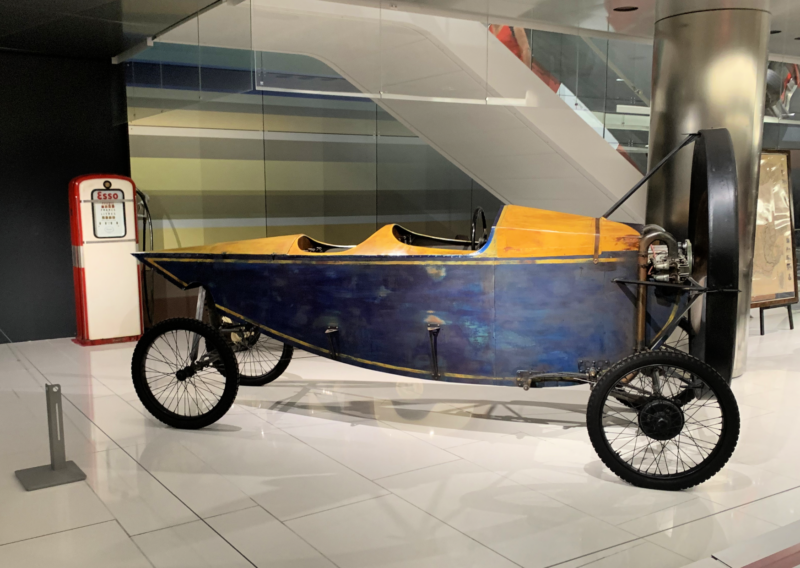
I have to admit, I went into this museum not knowing a huge amount about vintage cars, other than the bits and pieces my dad has taught me over the years. But even without being an expert, I found the whole thing truly fascinating.
The history of the collection is just as interesting as the cars themselves. It all started with Prince Rainier III, who spent about thirty years building this archive out of a genuine personal passion. He collected everything from classic European models to American powerhouses, always with a big focus on racing.
By 1993, the collection had actually become too big for the palace garage. That’s when the Prince decided to share it with the world and open it up to the public.
Walking through, it’s such a cool thought that these were once his private treasures and now we all get to walk through and see them. The entire story really changed the collection from a private storage space into the structured experience we see today.
You can still feel that original vision when you walk through the museum now. It covers everything from the very early vintage days to modern supercars, all while making sure Monaco’s famous racing identity is clear to see. It’s a perfect blend of history and speed that anyone can appreciate, even if you aren’t a total car enthusiast.
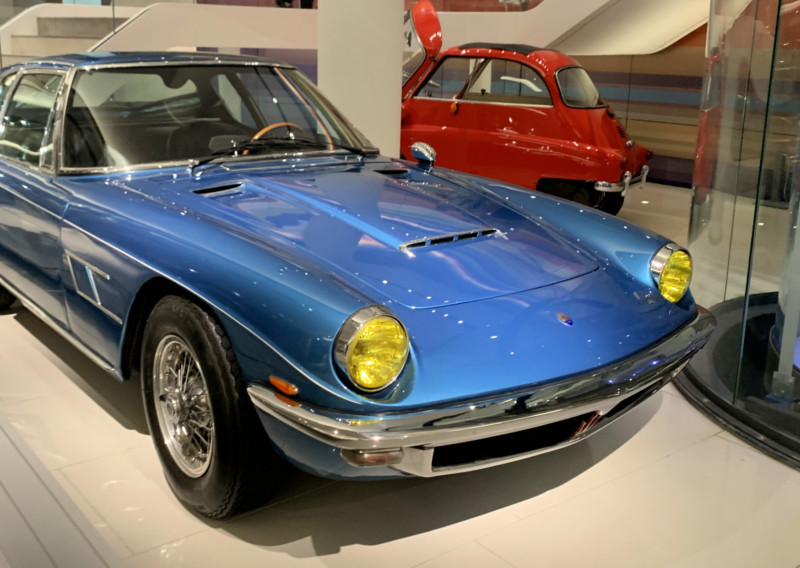
Prince Albert II has really taken things to the next level by treating the collection as a living and breathing institution rather than just a static shrine to the past.
He wanted to reorganize and expand the display to keep it fresh, which is just one of the more interesting moves he made was back in 2012, when he actually auctioned off thirty-eight cars from the collection.
It was a strategic way to refine the exhibit and make room for new themes and different eras of automotive history.
The most exciting change for visitors happened in 2022 when the entire collection moved to its brand new home at Port Hercule.
This move was a huge upgrade because it placed the cars right next to the legendary Grand Prix circuit.
It is also really important to note this change because when my dad and I went, we mistakenly thought it was still in the old location.
The blog I had looked at was at the top of the Google search results, but it had never been updated. I definitely do not want you to make the same mistake we did!
Trust that I’ll keep things up to date because I go to Monaco every summer, and have been for almost a decade.
Overall, the new building means the layout and visitor flow are much better than they were in the old space.
When you walk through the galleries now, you’ll really notice that contemporary museum vibe.
I’ve also been told the sight-lines are much cleaner now and the way the cars are grouped actually makes sense.
It creates a much stronger connection to Monaco’s current motorsport profile, making the entire experience feel very modern and connected to what is happening in the Principality today.
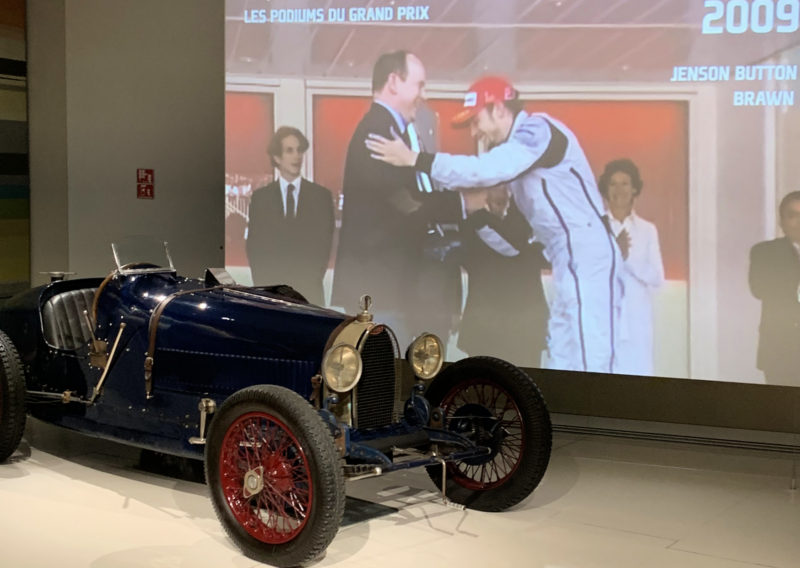
One of the things that makes this museum so special is how it treats these cars as cultural objects rather than just machines. You’ll see some truly standout vehicles that anchor the whole timeline of Monaco’s racing history.
For instance, there is a Bugatti Type 35 from the very first Monaco Grand Prix era, which is just stunning to see in person.
They also have a Citroën DS3 WRC that is tied to the famous Monte Carlo Rally, so you really get a sense of the different types of racing that have defined the Principality over the years.
It is also worth noting that the collection has grown way beyond just the original private holdings.
Because of its reputation, some cars are now donated or on loan, which means you get to see an even wider variety of designs and history than before. It really documents the spirit of competition as much as it does automotive design.
If you want to keep the big milestones in mind while you walk through, just remember that Prince Rainier III first opened the doors to the public back in 1993.
Then, Prince Albert II did that big reorganization and auction in 2012 to refresh the collection, which eventually led to the huge move in 2022 to the current spot at Port Hercule. Seeing how much it has evolved over those thirty years really makes you appreciate the current display even more.
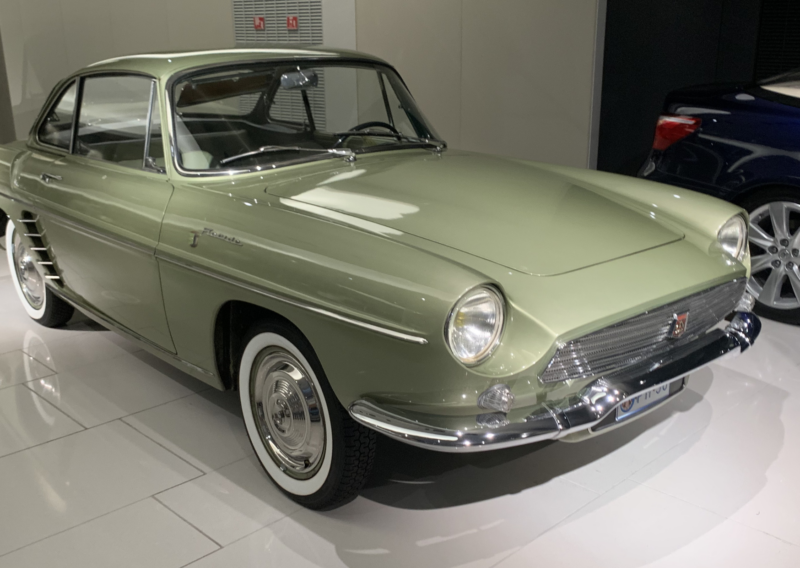
It’s really easy to so how the Grimaldi family’s influence links royal identity with Monaco’s motorsport image.
While the collection functions as a public-facing cultural asset, it still reflects personal preferences and family continuity, from Prince Rainier III’s acquisitions to Prince Albert’s reorganization.
You’ll also notice how the museum’s framing emphasizes both heritage and accessibility.
It presents the cars as part of Monaco’s story, not as detached luxury objects, which fits a principality that hosts global racing events and attracts automotive tourism.
I really appreciated how they crafted the two stories together so seamlessly.
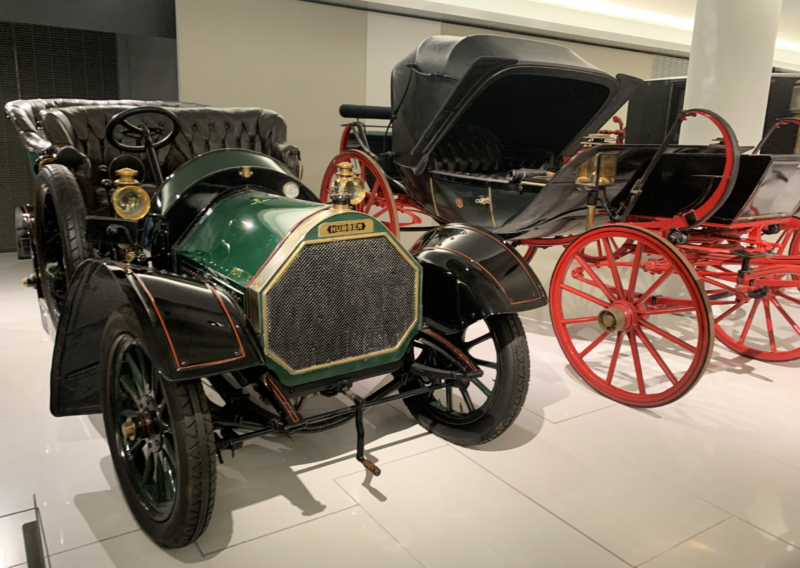
You’ll start with the 1903 De Dion Bouton, a practical marker of the shift from carriage building to mass-market motoring.
It sits at the early edge of what you would call classic cars, when durability and simple mechanics mattered more than speed.
There are also several horse-drawn carriages that appear alongside the cars, which helps you compare eras in one glance. You’ll notice differences in suspension, wheel construction, and the way builders prioritized passenger comfort.
What to look for
You can also place Monaco’s former rulers, Prince Charles III and Prince Albert I, in the same timeline of transport change, even if the display focuses on vehicles rather than biographies.
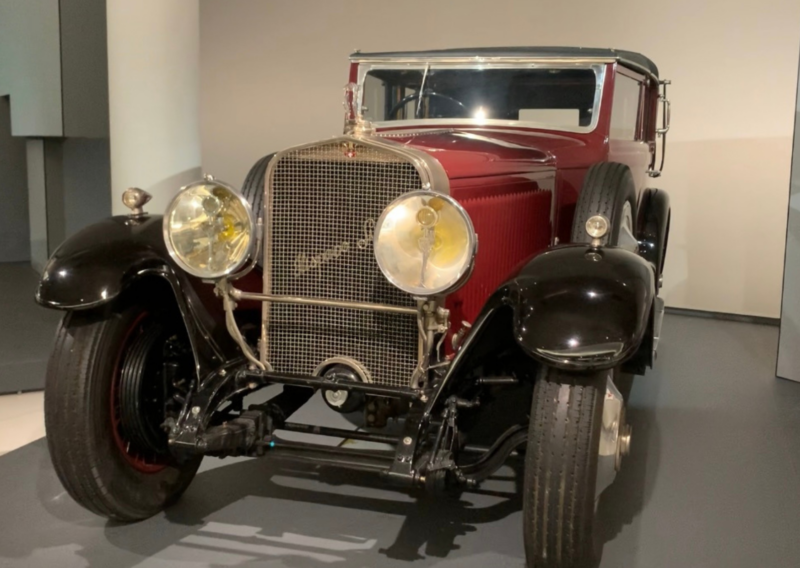
Hispano Suiza is distinguished by its reputation as a high-end builder, frequently linked to meticulous finishing and robust mechanical foundations.
French classic cars like Delage and Delahaye emphasize coach built style, and you can read the design language in long hoods, formal roof-lines, and carefully proportioned cabins.
While a Lincoln brings a different angle: large-scale luxury with an American footprint. It helps you compare how European refinement and American comfort solved the same problem, moving VIP passengers quietly and smoothly.
| Brand | What you notice first | Why it matters |
|---|---|---|
| Hispano Suiza | precision details | premium engineering culture |
| Delage | elegant lines | coachbuilding influence |
| Delahaye | dramatic proportions | style-led luxury era |
| Lincoln | size and comfort | executive travel priorities |
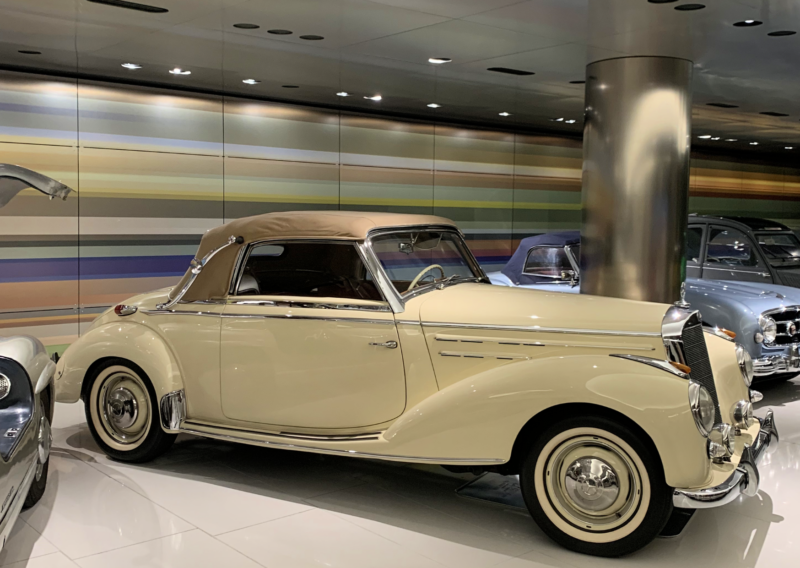
The museum connects to that setting through its location near Port Hercule and the Grand Prix route, and you’ll quickly get a clear sense that Monaco treats vehicles as part of public life, and not only private collecting.
You’ll learn about state-style presentation rather than racing specifications. In royal and celebrity cars, you’ll typically see emphasis on rear-seat comfort, visibility, and ceremonial presence.
Here’s some key cues help you spot that intent fast:
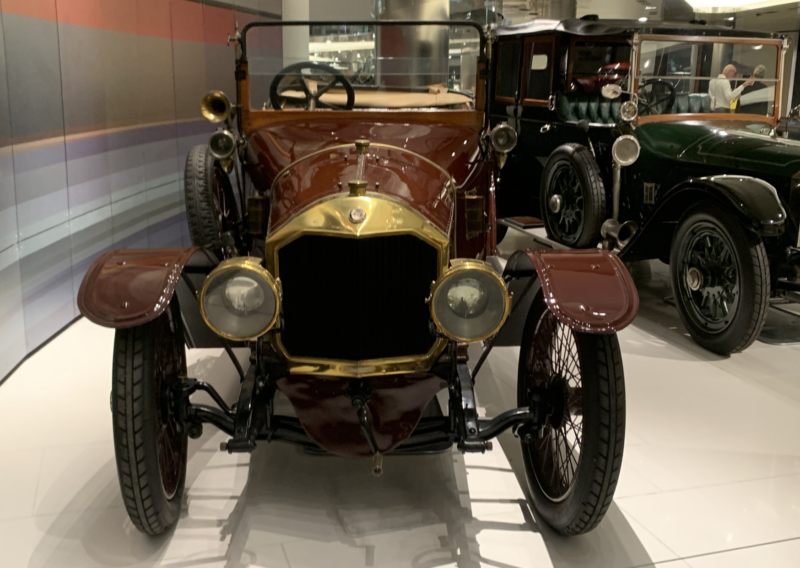
You’ll see a variety of vehicles across decades, with a spread that can jump from early touring cars to later performance icons.
The museum’s line-up often includes recognizable milestones, with examples referenced in the Monaco Top Cars Collection listing a 1903 De Dion Bouton and a 1986 Lamborghini Countach.
These cars show how brands used exclusivity to signal status, not just to chase lap times.
Use a simple checklist when you scan a limited edition:
You leave with a sharper eye for what makes a car rare beyond its badge.
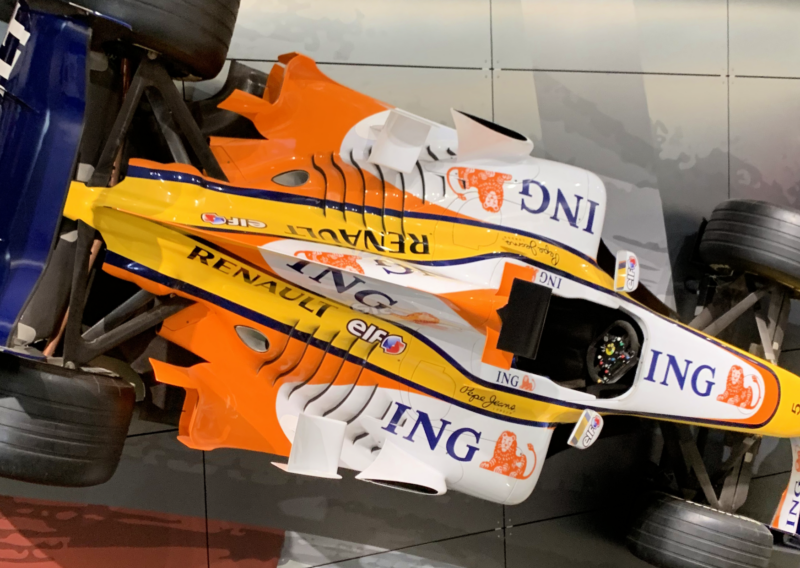
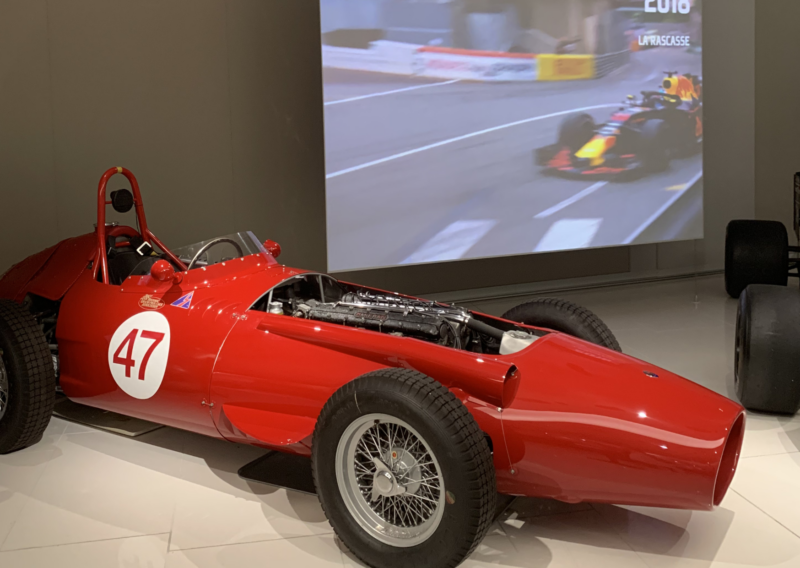
You’ll quickly connect the Monaco Grand Prix as a major part of Monaco’s race story. The museum frames these cars as artifacts from events that made the circuit a global reference point for F1.
If you look closely, it doesn’t take long to get a clearer sense of why Monaco matters by focusing on the cars’ purpose-built details: compact packaging, exposed aero elements on later models, and race-focused cockpits.
I really liked that displays would often group cars by competition role, so you can compare design choices across eras without guessing.
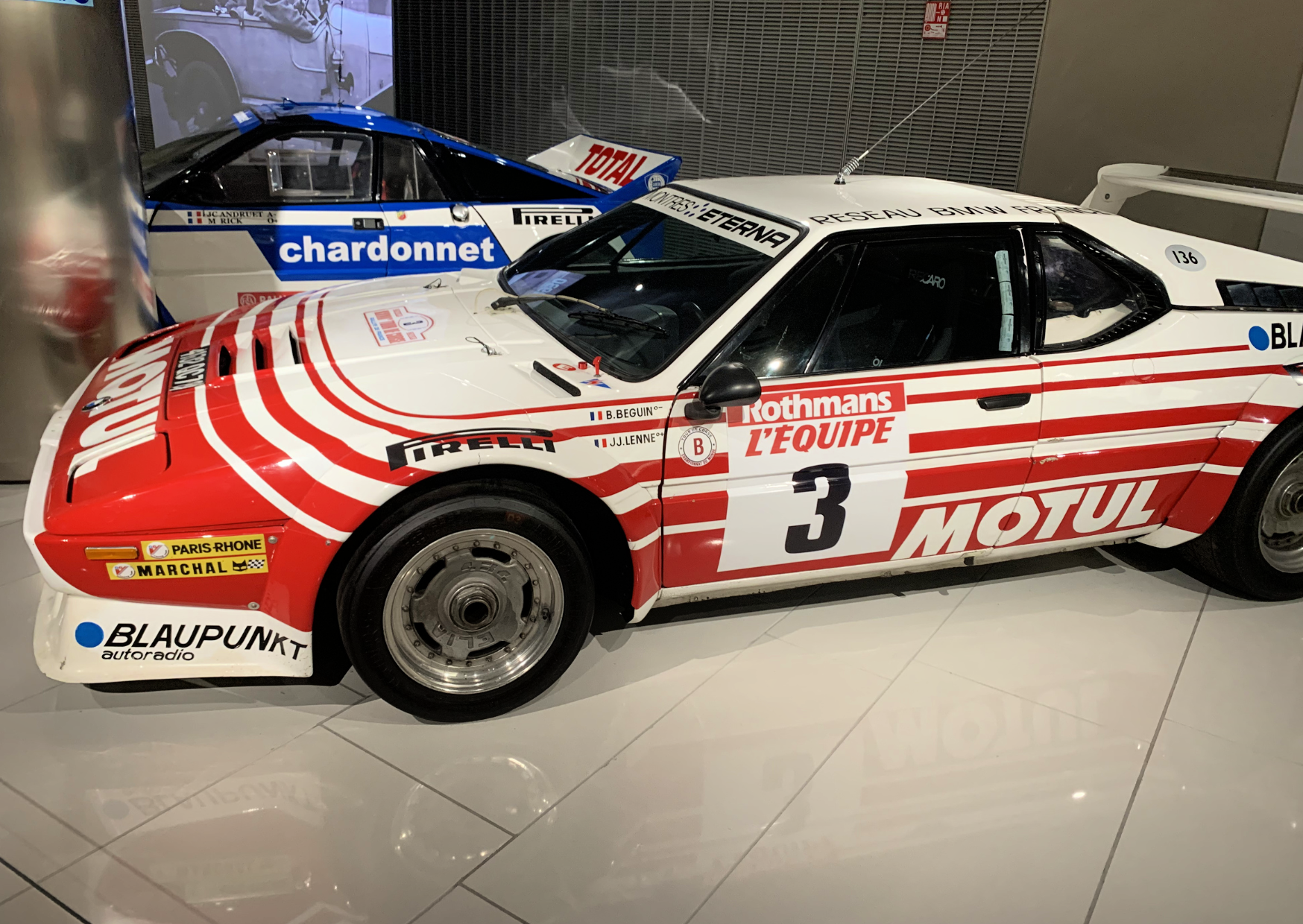
You’ll also see rally history beside circuit racing, which matches Monaco’s identity as a host of both the Monte-Carlo Rally and Grand Prix weekends.
The museum places rally cars in the same narrative as F1, so you can track how teams built cars for long stages, changing grip, and reliability.
This is the way I was taught to view rally exhibits: look for cues that separate them from F1 cars. Rally cars emphasize durability and service access, not minimum drag.
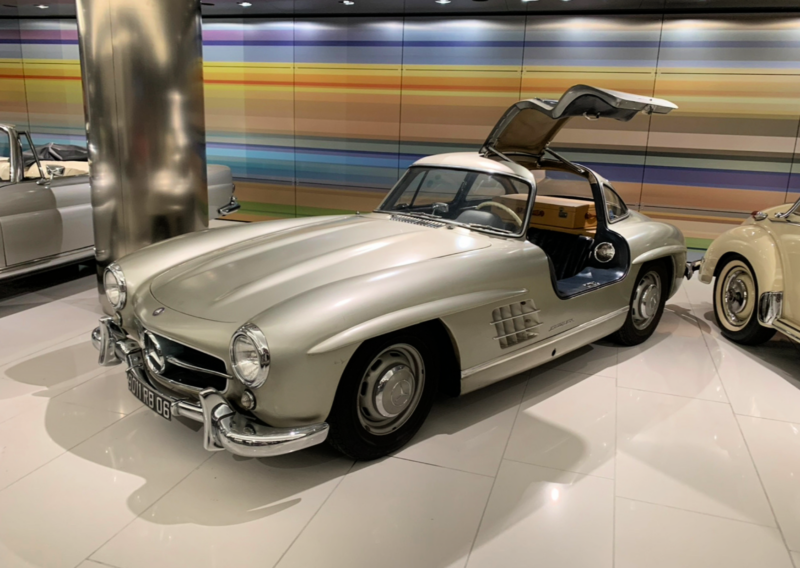
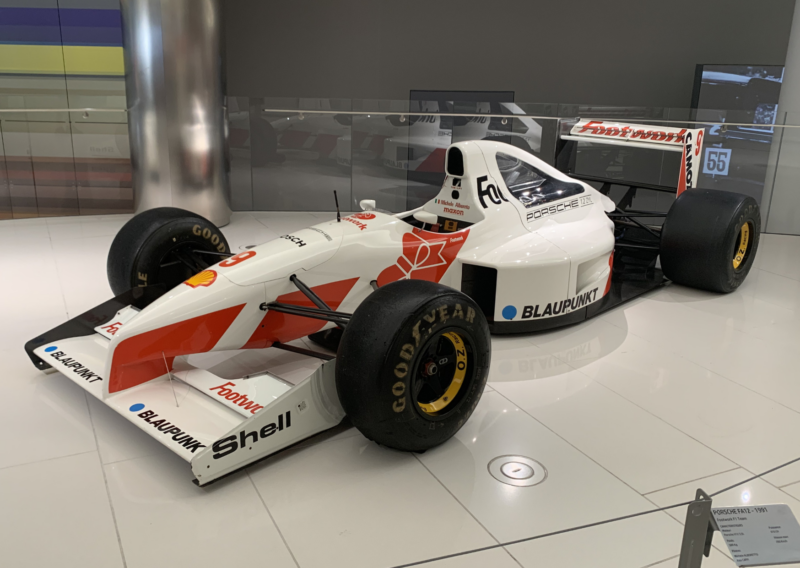
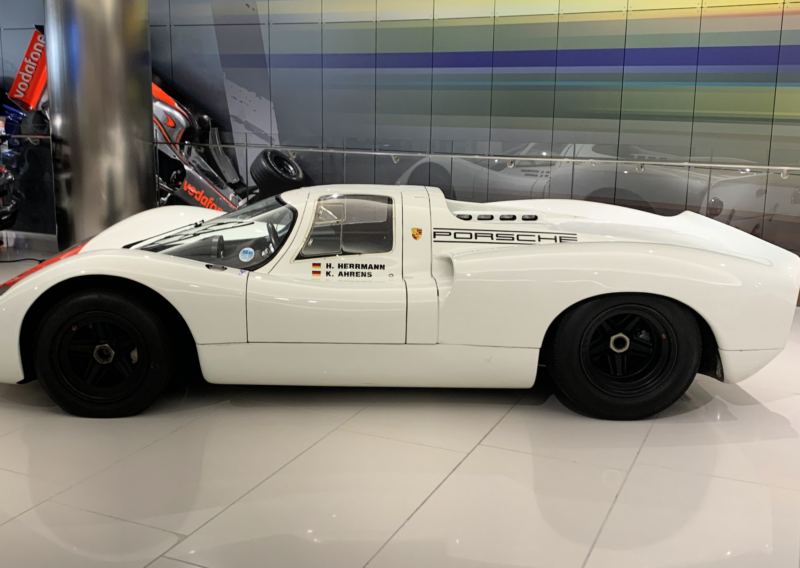
You’ll also see F1 cars presented as a timeline of engineering priorities, with recognizable team identities. The collection highlights names that matter to most visitors, including big hitters lke Ferrari, Lotus, Mercedes, McLaren, all because each represents a distinct approach to speed, packaging, and race execution.
You can compare them quickly by focusing on what you see, not what you read. Start with the shape, then scan suspension geometry and cooling openings.
| Team | What to look for on display |
|---|---|
| Ferrari | tight bodywork, purposeful cockpit layout |
| Lotus | lightweight philosophy, compact construction cues |
| Mercedes | efficiency-driven packaging, refined aero surfaces |
| McLaren | clean integration, precise component fit |
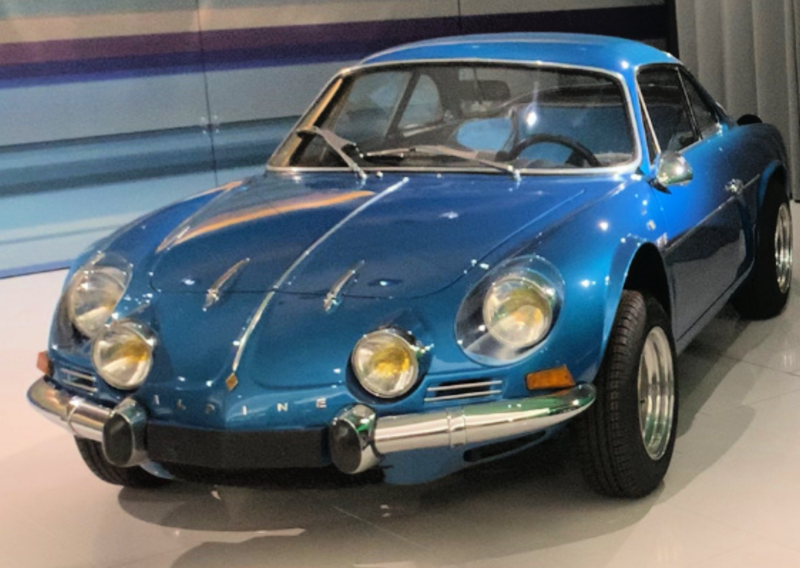
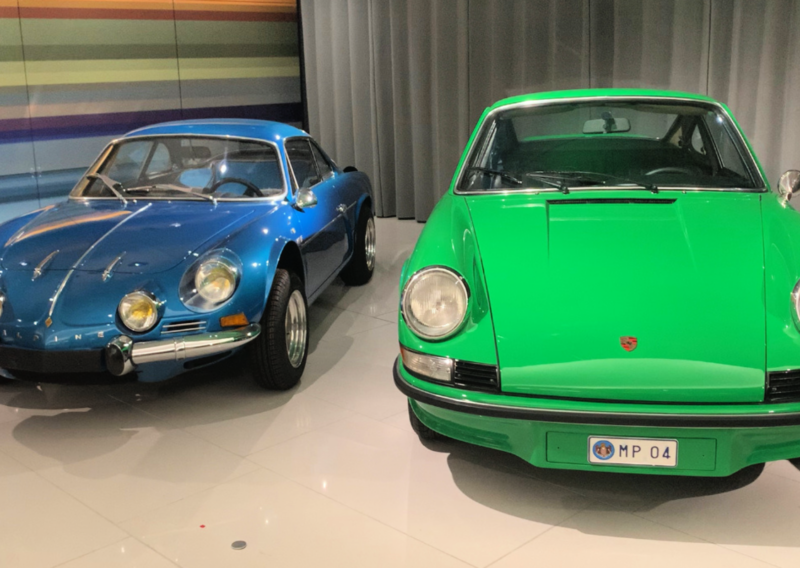
You also get a broader performance context through Alpine, Maserati, and Lamborghini, which helps you connect racing design to road-going speed. These cars matter because they show how manufacturers translated competition thinking, so think weight control, braking, cooling, and stability, into street cars.
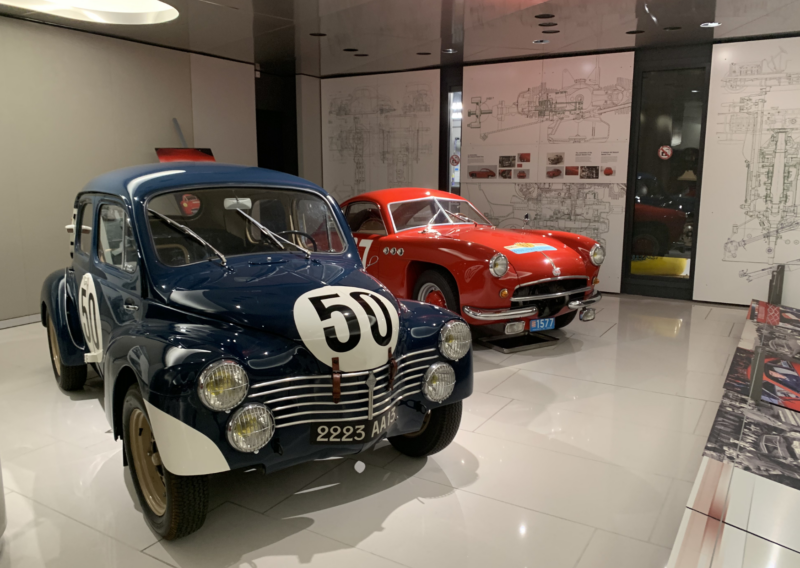
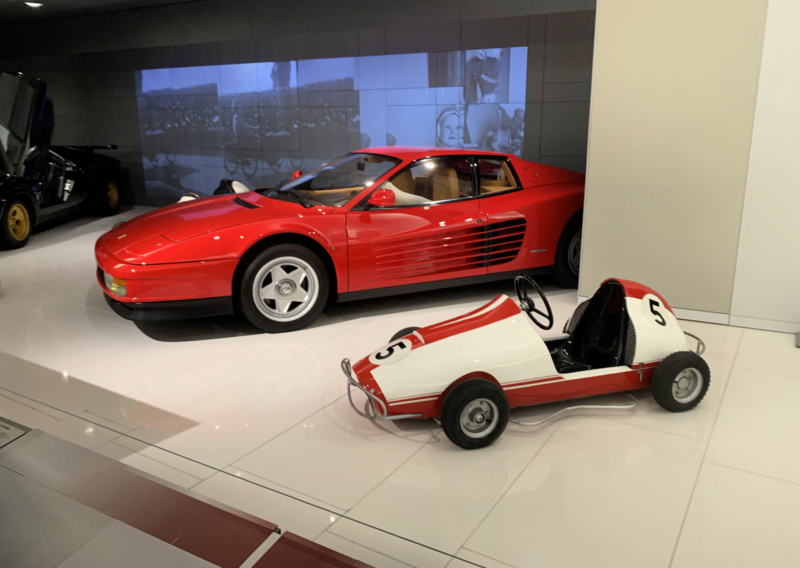
The Lamborghini Miura stands out as a reference point for exotic road-car layout and styling. You can study proportions and engine placement cues that influenced later high-performance cars, even if you never dive into technical specs.
Maserati models add another perspective on Italian performance tradition, while Alpine represents a lighter, more compact European approach.
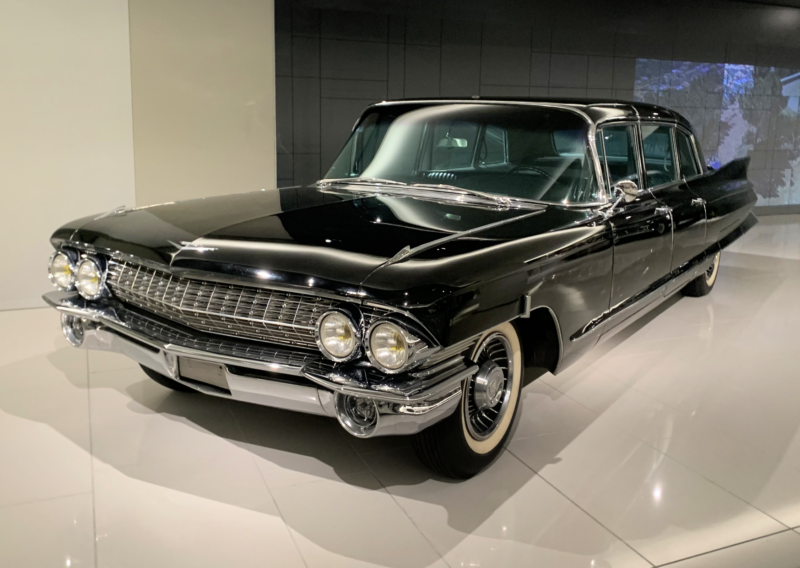
This was my favorite part of the exhibit, you can spot cars connected to Princess Grace that turn the display into a family timeline, not just a lineup of models.
They even have a replica of the car from To Catch a Thief, the iconic film she was making when she fell in love with the prince.
The museum highlights vehicles tied to real routines, including a 1952 Austin London taxi Princess Grace used for outings with her children, which adds everyday context to the royal image and fashion of that time.
You also see how Prince Rainier III used specific cars as part of major life events. A standout example includes a Chrysler he imported from the United States to pick up Princess Grace from the port.
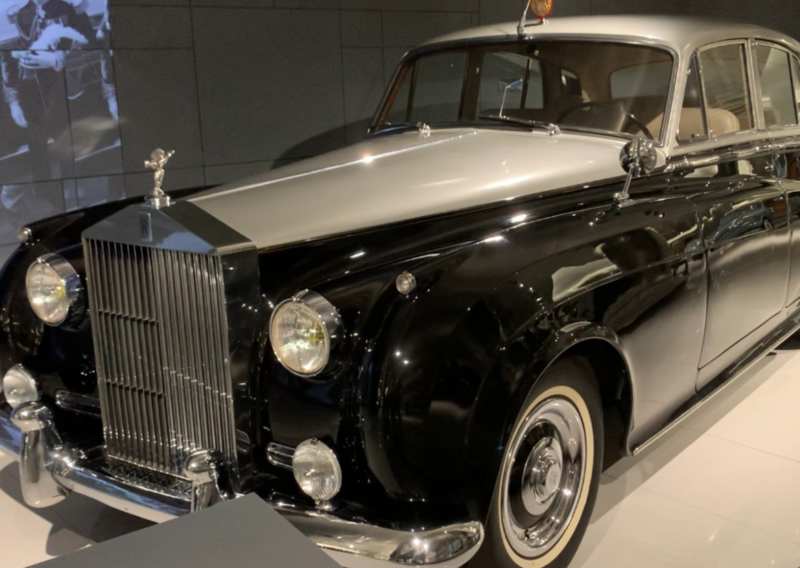
In fact, you’ll see lots of royal events through the cars chosen to carry the family in public. The collection includes vehicles built or adapted for high-visibility moments, including a Lexus with a glass cockpit created for the 2011 wedding of Prince Albert II and Princess Charlene.
I really like that the museum doesn’t just show rare brands; it shows why a certain body style, interior layout, or visibility feature matters during processions and ceremonial arrivals.
| Event type you’re tracking | What the cars emphasize |
|---|---|
| Weddings | Visibility, staging, controlled pacing |
| State ceremonies | Formal design, passenger comfort, security-minded layout |
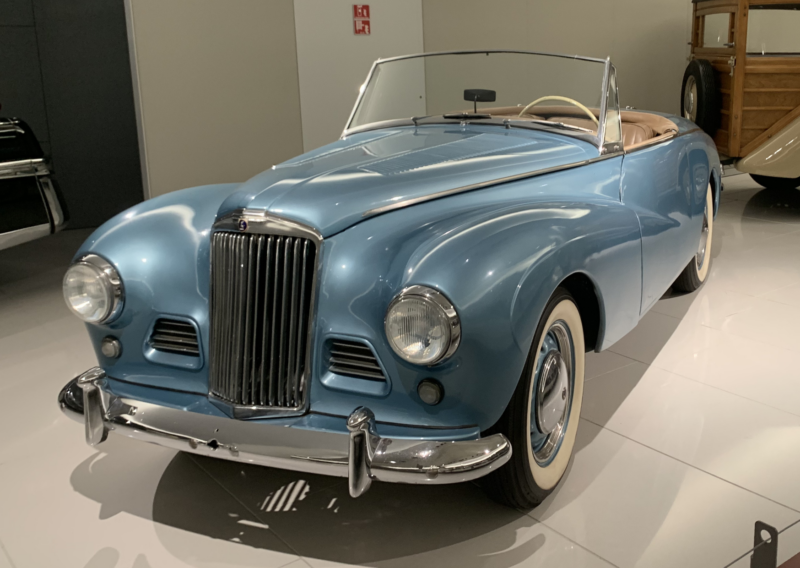
You feel Monaco’s film identity most when the cars connect the coastline image to the To Catch a Thief and the Grace Kelly era.
If you’ve never seen it, do yourself a favor and immediately arrange for a night of champagne, sushi, a face mask and this movie. The movie helped fix a specific version of the Riviera in popular memory: cliff side roads, polished arrivals, and luxury travel as part of the setting.
I can tell you from experiance, not with jewel thieves, but with driving and riding along these roads on the back of a cute guy’s motorcycle, and I can tell you it lives up to the hype of this film.
You won’t find the museum positioned as a film set, but you can still read several displays through that lens. When you stand in front of period vehicles, you can use them to map them out the same mid-century design cues that cinema used to signal wealth and modernity.
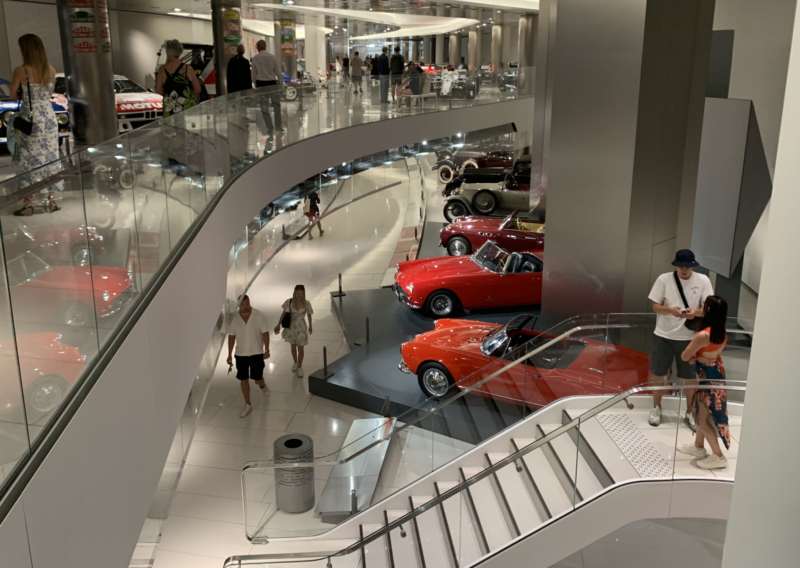
One of my favorite things when I walked in, was realizing what a contemporary gallery it is. It was a pleasant surprise to find it set on the Port Hercule waterfront, which is just a short walk from the Grand Prix circuit for fans looking to scope it out.
You get clear sight-lines and readable labeling that helps you compare details fast. The entire layout was really well thought out. You should expect an emphasis on design differences rather than deep technical tear-down.
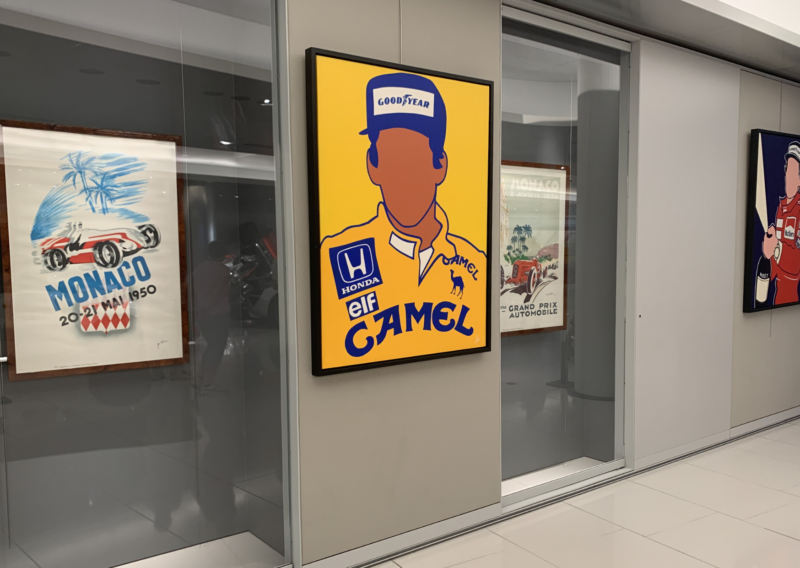
You can finish your visit with a compact shop geared toward car fans and Monaco mementos.
You’ll mostly find small-format items that travel well in a day bag. While there was some cool clothing, I didn’t buy anything.
Many visitors choose souvenirs that match what they just saw, like postcards, books, and branded keepsakes.
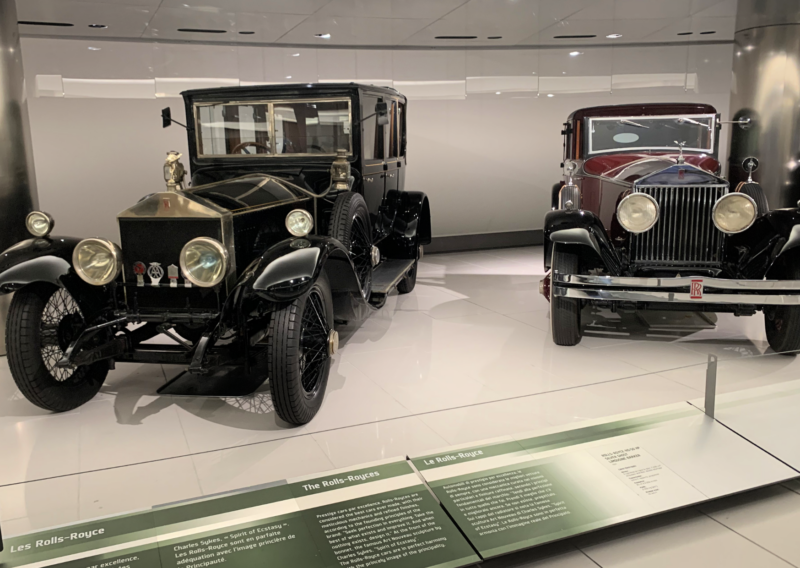
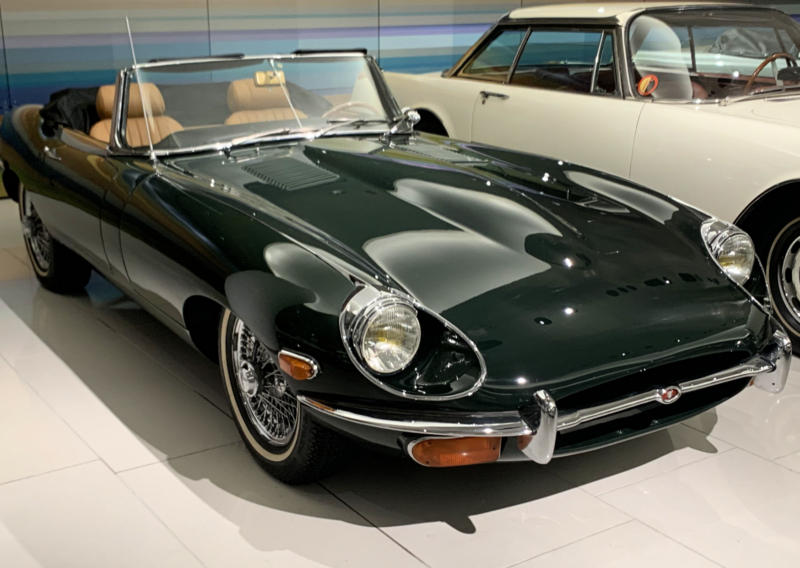
You’ll notice several Rolls-Royces because the collection reflects royal and ceremonial transport as much as motoring passion, and these cars emphasize quiet power, long-wheelbase comfort, and coachbuilt-style presence.
They’re a great example of how luxury engineering changed over time: earlier models focus on craftsmanship and ride quality, while later examples push refinement and complexity. Many visitors linger here because the cabins and proportions show why Rolls-Royce became the default symbol of formal travel.
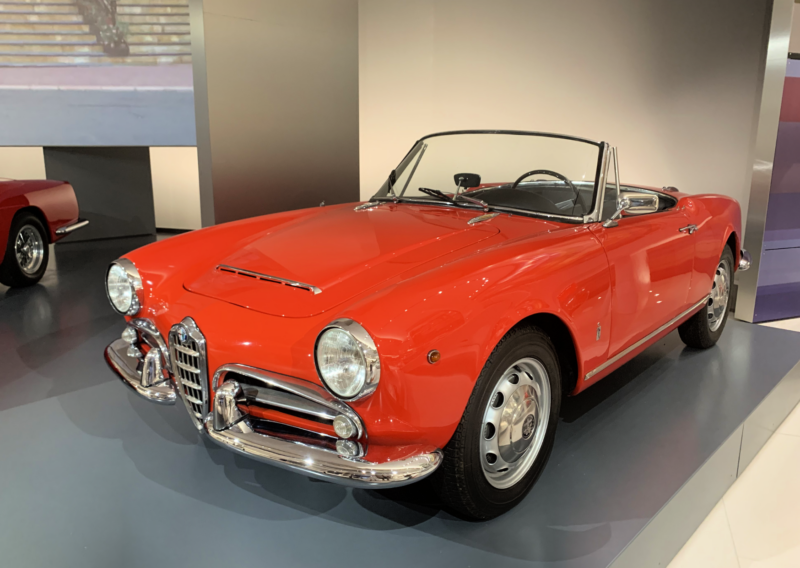
You’ll get a clearer sense of European variety when you move to Alfa Romeo and Humber.
Alfa Romeo typically represents the sporting side of classic motoring, with lighter proportions and a driver-focused stance that contrasts with ceremonial luxury.
Humber adds a different angle: practical, dignified British cars that suit official duties without the overt prestige of top-tier marques. Seeing Humber beside more famous badges helps you judge how mid-century manufacturers balanced durability, comfort, and cost.
| Brand | What you tend to notice | Why it matters to you |
|---|---|---|
| Alfa Romeo | Sport-oriented styling and racing heritage cues | It explains the collection’s performance thread |
| Humber | Conservative design and utility-focused comfort | It shows everyday prestige and official transport |
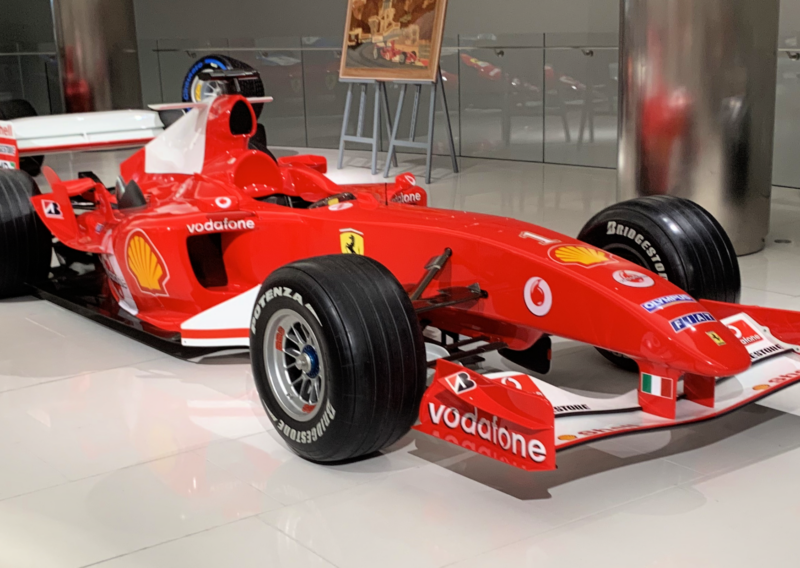
You’ll also encounter modern and special-interest cars that connect directly to motorsport and recent performance trends.
The collection includes Sébastien Loeb’s Citroën DS3 WRC and a Ferrari SF90 associated with Charles Leclerc’s 2019 F1 season.
These newer additions change how you experience the museum because you can compare real competition hardware with road-going super-cars.
And it’s so cool to see how safety, aerodynamics, and materials evolve when speed and reliability matter.
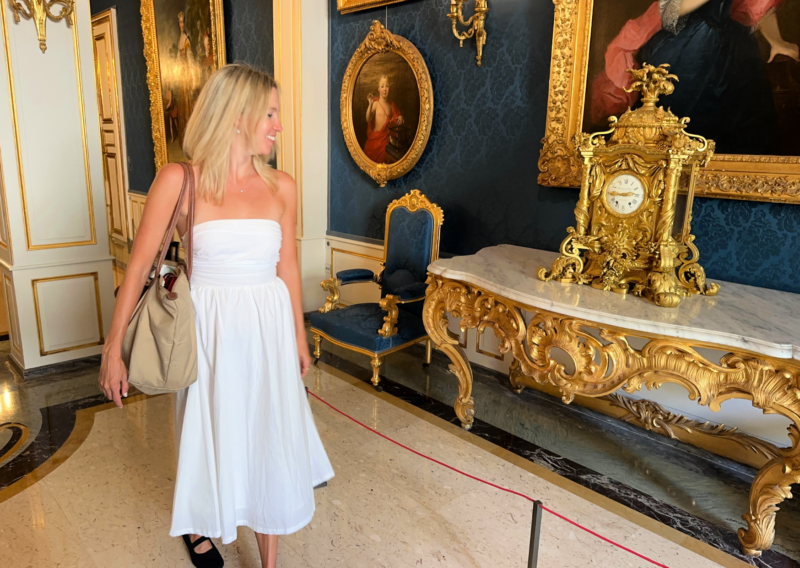
A combo ticket can save you money when you want to visit both the Prince’s Palace State Apartments and the Monaco car museum (the Prince’s Car Collection). It’ll also streamline your day, since you buy once and plan two stops.
This is what my dad and I did and it was perfect, minus us cutting it a little close to closing after making a pit stop for lunch.
Before you buy, confirm what the ticket includes:
The hours change by season. From January 1 to June 30, you can typically visit 10:00–18:00 with last entry at 17:00.
From July 1 to August 31, the museum runs 10:00–19:00 with last entry at 18:00. From September 1 to December 31, it returns to 10:00–18:00 with last entry at 17:00, as listed on the official Collection of Cars of H.S.H. the Prince of Monaco opening hours.
Starting at €10 admission, with €5 for children ages 6–17 and students. You can verify current pricing and any additional categories before you go via admission costs for the Prince of Monaco car collection.
The provided results do not confirm senior discounts. Check the museum’s current ticket page on arrival or before your visit if you need senior pricing.
You’ll find the car collection at Port Hercule, a short walk from parts of the Monaco Grand Prix circuit.
On foot, you can approach from the harbor area and follow signage for the car collection.
If you visit during peak summer dates or around major Monaco events, you may want to buy ahead. We got our combo ticket same day in September with no problems.
You can usually cover the displays in about 60–90 minutes at a comfortable pace. If you read labels closely or you care about motorsport history, plan closer to 2 hours (about what we spent)
Look for vehicles tied to the princely family, including a Chrysler associated with Princess Grace’s arrival and a Lexus built for the 2011 royal wedding.
You can and should also focus on the Monaco-linked racing area with rally and F1 machines from well-known teams and marques.
Only one day in Monaco? Discover the must‑see attractions, scenic views, and local highlights in this quick travel guide.
After taking many day trips (7+) from Nice to Monaco over the years, I've gathered plenty of tips for first-timers. Here are all my tips and must-see spots!
After spending tons of summers visiting the French Riviera, I've come up with this list of the best places in the South of France. Get ready for vacation inspo!
Are you struggling to decide what to wear on vacation? I've got all the vacation outfit ideas you need to inspire the perfect packing list for your trip!
Lucky for you, after visiting Antibes for 7 years, I’ve found some of the best restaurants in Antibes and I’m willing to share all the details.
There’s so many things to do in Cannes, that even after a decade of visiting every summer, I’m still finding new gems. Check out some of my all-time favorites!
Leave a Comment